

Domaine de l'Arlot Nuits-Saint-Georges 1er Cru 2022
Burgundy wine Clos de l'arlot
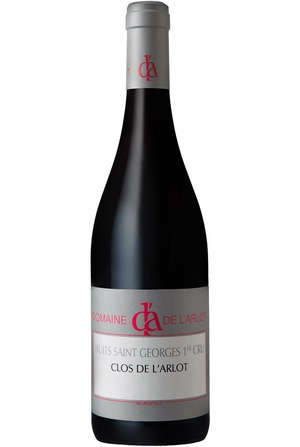
Clos de l'Arlot is the estate's historic clos, walled since the end of the 18th century around the house. This monopole lies in the hollow of an old quarry that forms a natural amphitheatre, on marl and limestone. The red premier cru comes from the oldest vines, planted in 1956 and 1984

Wine Spectator : 94 points
Vinous : 92-94 points
Your Cellarman : 94 points
Red wine 2022
- Area : Bourgogne
- Name : Nuits-Saint-Georges
- Grape variety : Pinot Noir
- Structure : Finesse, Fleshy, Length, Satiny
- Families of flavor : Black cherry, Licorice, Red Fruit, Ripe raspberry, Sweet spice
- Conservation : Apogée : 2026-2040
- Temperature of service : 15-16°
- Mets/wines agreements : Canard aux olives, Potée auvergnate, Poulet grillé
- Capacity : Bottle (0,75 L)


Description of the Domaine de l'Arlot
Clos de l'Arlot is the estate's historic clos, walled since the end of the 18th century around the house. This monopole lies in the hollow of an old quarry that forms a natural amphitheatre, on marl and limestone. The red premier cru comes from the oldest vines, planted in 1956 and 1984

Clos de l’Arlot is the estate’s historic clos, walled since the end of the 18th century around the house. This monopole lies in the hollow of an old quarry that forms a natural amphitheatre, on marl and limestone. The red premier cru comes from the oldest vines, planted in 1956 and 1984; the young vines at the top of the clos make the Mont des Oiseaux cuvée. In 2022, the grapes were hand-picked at the end of August. After a cold soak and native-yeast fermentation, the wine ages for about 16 to 17 months in barrels, 40% of them new.
The nose is pure and delicate, with strawberry, raspberry and bramble, and earthy touches that emerge with air. The medium-bodied palate shows black plum, a hint of spice and liquorice, good tension and fine tannins. It is a wine of elegance rather than power, paler and more aromatic than the Clos des Forêts. Give it three to five years; it will gain complexity over 10 to 15 years.


Domaine Bertheau
Chambolle Musigny
A pretty bouquet of raspberries, dried flowers and a classy framing of new oak introduces the 2017 Chambolle-Musigny Village, a medium-bodied, succulent and open-knit


Domaine J-L Chave
Saint-Joseph
Only 2 bottles/ pers. Saturated red. Powerful aromas of black raspberry, candied cherry, licorice and smoky minerals. Pretty sexy wine

Domaine Sylvie Esmonin
Gevrey
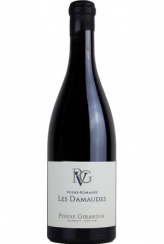
Pierre Vincent Girardin
Vosne Romanée
The wine shows a nose of blackcurrant and red fruit, with a spicy, floral touch from the whole clusters. The palate is racy and fruity, with velvety tannins and the freshness of the upper slope

Domaine Leflaive
Nuits-Saint-George
Esprit de Leflaive
Vendange : Manuelle Elevage : 15 mois en fûts de chêne (dont 25% de fûts neufs) puis 3 mois en cuves inox
Domaine de l'Arlot
Nuits 1er Cru
The nose is pure and delicate, with strawberry, raspberry and bramble, and earthy touches that emerge with air. The medium-bodied palate shows black plum, a hint of spice and liquorice
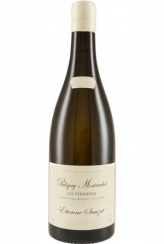
Domaine Etienne Sauzet
Puligny-Montrachet

There is excellent cut, minerality and a sophisticated texture to the driving middle weight flavors that tighten up immediately on the refined
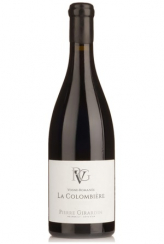
Pierre Vincent Girardin
Vosne-Romanée
The 2023 is an elegant, fragrant Vosne-Romanée, all finesse, with red fruit and a touch of sweet spice
Domaine Bertheau
Chambolle Musigny
A pretty bouquet of raspberries, dried flowers and a classy framing of new oak introduces the 2017 Chambolle-Musigny Village, a medium-bodied, succulent and open-knit


Domaine Tortochot
Chambertin

Domaine Méo-Camuzet
Fixin
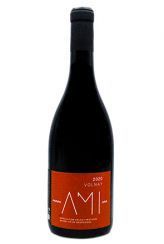
Domaine Ami
Volnay